Best Plasma Healing Technologies: Understanding One of the Most Fascinating Electrical Technologies Ever Developed
Plasma healing technologies has become one of the most talked-about subjects among people interested in natural wellness, bioelectricity, energy medicine, and the pioneering work of Nikola Tesla. Although modern medicine primarily uses the word plasma to describe the liquid portion of blood, in physics plasma refers to something entirely different—the fourth state of matter.
For more than a century, scientists, inventors, and engineers have explored the remarkable properties of electrically generated plasma. Today, enthusiasts around the world continue to study high-frequency plasma devices as part of their personal wellness routines and historical research into electromagnetic technologies.
This guide explains what plasma healing technologies are, how high-frequency plasma is produced, its fascinating history, and why many people continue to explore these unique electrical devices.
What Is Plasma?
Most people learn about three states of matter:
- Solid
- Liquid
- Gas
However, there is actually a fourth state known as plasma.
When sufficient electrical energy is applied to a gas, some of its atoms become ionised. This creates a mixture of positively charged ions and free electrons capable of conducting electricity while producing the familiar glowing appearance associated with plasma.
Examples of plasma include:
- Lightning
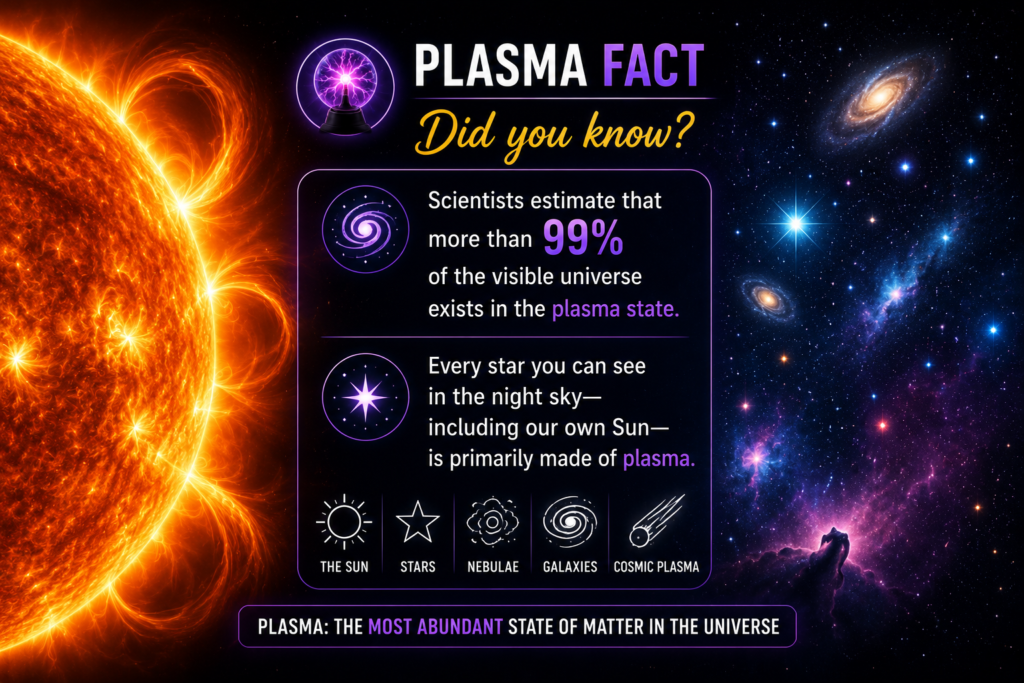
- The Sun
- Stars
- Aurora Borealis
- Neon signs
- Plasma globes
High-frequency plasma generators create a much smaller controlled plasma inside specially designed glass electrodes filled with inert gases.
What Are Plasma Healing Technologies?
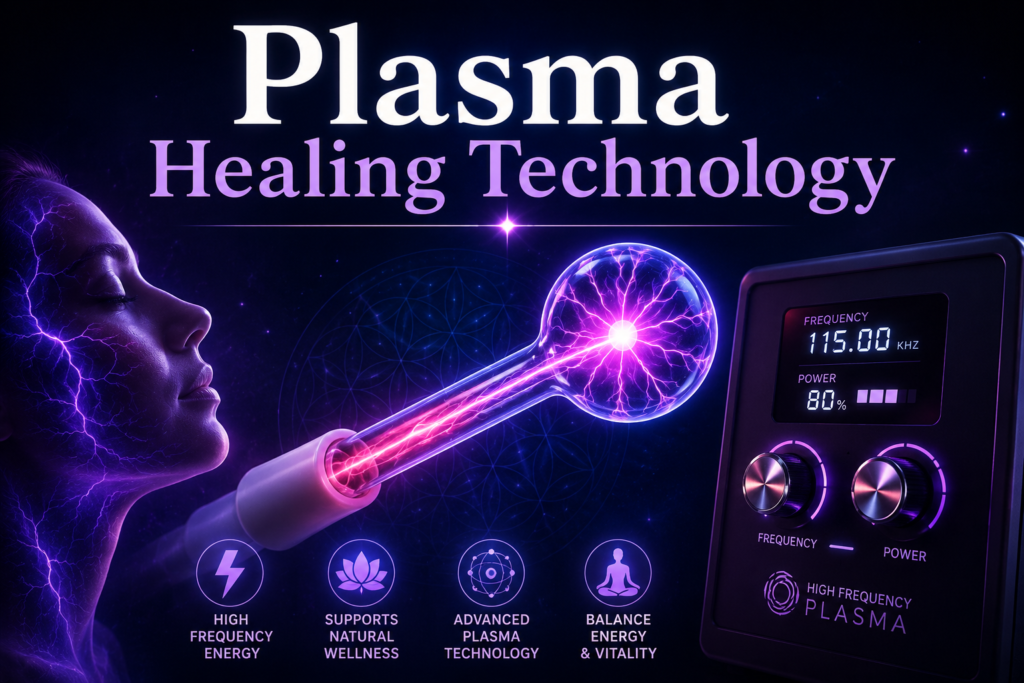
Plasma healing technologies refers to devices that generate high-frequency electrical energy capable of producing plasma within glass electrodes.
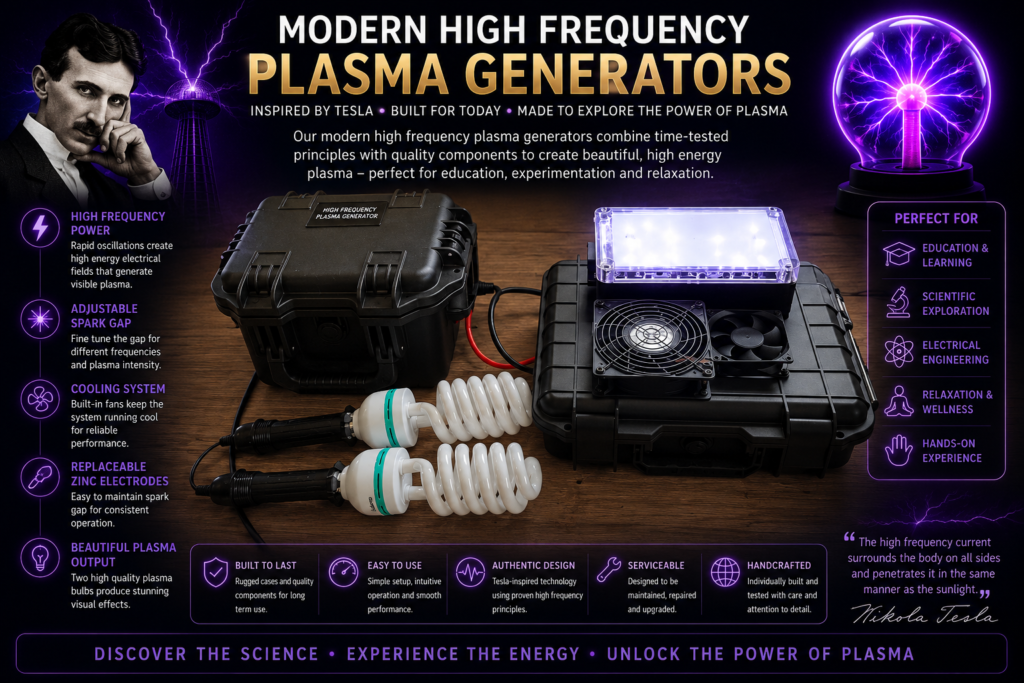
These devices typically consist of:
- A high-frequency oscillator
- A step-up transformer
- High-voltage circuitry
- Glass plasma electrodes
- Frequency controls
- Power controls
When activated, electricity flows into the gas-filled glass electrode, creating beautiful streams of glowing plasma.
Many users hold these plasma electrodes or use them as part of personal relaxation and wellness routines.

The Origins of High Frequency Plasma Technologies
The story begins during the electrical revolution of the late nineteenth century.
Inventors discovered that electricity behaved very differently at high frequencies than conventional household electricity.
One of the most influential pioneers was Nikola Tesla, whose experiments demonstrated that extremely high-frequency alternating current could illuminate gas-filled tubes without direct wired connections.
Tesla’s demonstrations amazed audiences worldwide and inspired generations of engineers to investigate high-frequency electrical systems.
His work eventually influenced numerous electrical devices that incorporated plasma, resonance and high-frequency current.
Early High Frequency Plasma Devices
During the early 1900s, various electrical devices appeared that produced high-frequency plasma using spark-gap technology.
These typically included:
- Large induction coils
- High-voltage transformers
- Spark gaps
- Resonant circuits
- Glass electrodes
Many of these historical devices became known as violet ray machines because of the violet glow produced inside certain electrodes.
Collectors today continue restoring these fascinating examples of early electrical engineering.
How Modern Plasma Healing Technology Works
Modern plasma generators generally replace older spark-gap systems with efficient electronic circuits.
A typical system operates using several stages.
1. Low Voltage Power
The device begins with a low-voltage DC supply.
2. High Frequency Oscillator
An oscillator rapidly switches the current thousands of times every second.
3. Step-Up Transformer
The transformer increases the voltage dramatically.
4. Plasma Generation
The high voltage energises the gas inside the electrode.
5. Visible Plasma
The ionised gas creates glowing plasma filaments that move throughout the glass.
Although the voltage can be very high, the current is generally kept extremely low in these types of devices.
Why Frequency Matters
Unlike standard mains electricity operating at either 50 Hz or 60 Hz, plasma devices typically operate at much higher frequencies.
Many modern plasma generators allow the user to adjust the operating frequency over a broad range depending on the design.
Frequency influences how the electrical circuit behaves and affects the appearance of the plasma discharge inside the electrode.
This ability to tune frequency is one reason many enthusiasts enjoy experimenting with these devices.
Why Are People Interested in Plasma Healing Technology?
Interest continues to grow for several reasons.
Many people appreciate the historical connection with Tesla’s pioneering work.
Others enjoy learning about bioelectricity and the relationship between electricity and living organisms.
Some simply find the glowing plasma visually relaxing.
Others incorporate plasma devices into personal wellness routines because they are interested in the broader field of energy-based wellness practices.
Individual experiences vary, and these devices should not be viewed as replacements for professional medical care.
Plasma and Bioelectricity
Every living cell maintains tiny electrical potentials across its membrane.
These natural electrical processes play essential roles in normal biological function.
Because of this, scientists continue researching bioelectricity in areas such as:
- Tissue engineering
- Cellular communication
- Regenerative biology
- Wound healing
- Biomedical engineering
This growing interest in bioelectricity has encouraged renewed curiosity about historical high-frequency electrical technologies, although historical plasma devices themselves are distinct from modern clinical technologies.
Different Types of Plasma Devices
There are several categories of plasma-producing equipment.
Educational Plasma Globes
Designed primarily for demonstrating plasma physics.
Laboratory Plasma Equipment
Used in scientific research.
Industrial Plasma Systems
Used for cutting metals, coating materials and manufacturing electronics.
Cold Atmospheric Plasma Systems
Modern medical research is investigating cold atmospheric plasma for specific clinical applications under controlled conditions.

High Frequency Plasma Generators
Personal devices inspired by historical high-frequency electrical technology that generate plasma within glass electrodes.
The Science Behind Plasma Generation
Creating plasma requires sufficient energy to separate electrons from atoms.
When this occurs:
- Gas becomes electrically conductive.
- Light is emitted.
- Charged particles move freely.
- Plasma filaments become visible.
Different gases produce different colours.
For example:
- Neon often appears orange.
- Argon frequently appears lavender.
- Helium produces pinkish tones.
- Mixed gases create unique plasma effects.
What Makes High Frequency Plasma So Fascinating?
Unlike ordinary electrical equipment, plasma generators combine several scientific principles simultaneously.
These include:
- High voltage
- High frequency
- Electromagnetic fields
- Gas ionisation
- Resonance
- Electrical discharge
- Visible plasma
Watching these principles work together inside a glowing glass electrode offers a captivating demonstration of applied physics.
Choosing a Quality Plasma Device
If you are considering purchasing a high-frequency plasma generator, look for features such as:
- Adjustable frequency
- Adjustable output power
- Quality electronic components
- Reliable insulation
- Durable enclosure
- Well-designed electrodes
- Stable operation
- Clear user instructions
A well-built device should prioritise reliability, consistency and safe operation.
Learning Before Using
Before using any high-frequency plasma generator, spend time understanding:
- Electrical safety
- Operating instructions
- Recommended session durations
- Electrode handling
- Device maintenance
- Proper storage
Responsible use begins with education.
High Frequency Plasma Generators by High Frequency Plasma
At High Frequency Plasma, every generator is individually handcrafted rather than mass-produced.
Each unit is carefully assembled using quality components and tested before leaving the workshop.
The aim is to create reliable, adjustable high-frequency plasma generators that celebrate the remarkable engineering principles developed during the pioneering age of electricity while making them accessible to today’s enthusiasts.
Whether you are fascinated by Tesla’s experiments, interested in plasma physics, or simply appreciate beautifully engineered electrical devices, a handcrafted plasma generator offers an engaging way to explore this remarkable technology.
Frequently Asked Questions
Is plasma the same as blood plasma?
No. Blood plasma is the liquid component of blood. Plasma in physics is an ionised gas and is considered the fourth state of matter.
Is plasma visible?
Yes. Plasma often emits colourful light because excited gas atoms release energy as photons.
Why do plasma electrodes glow?
The glow occurs because the gas inside the electrode becomes ionised when high-frequency electrical energy passes through it.
Are high-frequency plasma generators medical devices?
No. Personal high-frequency plasma generators are not medical devices and should not be used as a substitute for professional medical diagnosis, treatment, or advice.
Why are Tesla’s experiments still discussed today?
Nikola Tesla’s pioneering work with high-frequency electricity helped expand scientific understanding of alternating current, resonance and wireless energy transfer. His demonstrations continue to inspire engineers, physicists and technology enthusiasts around the world.
Final Thoughts
Plasma healing technology continues to capture the imagination because it combines history, physics, engineering and visible electrical phenomena into a single device. From the groundbreaking experiments of Nikola Tesla to today’s handcrafted high-frequency plasma generators, these systems showcase the remarkable behaviour of electricity at high frequencies.
Whether your interest lies in the science of plasma, the history of electrical innovation, or exploring historical wellness technologies, learning about plasma generation provides a fascinating window into one of nature’s most extraordinary states of matter. As with any electrical equipment, users should operate devices responsibly, follow the manufacturer’s instructions, and recognise that personal plasma generators are intended for educational and wellness purposes rather than as medical treatments.